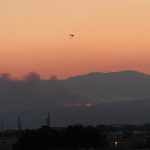
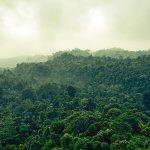
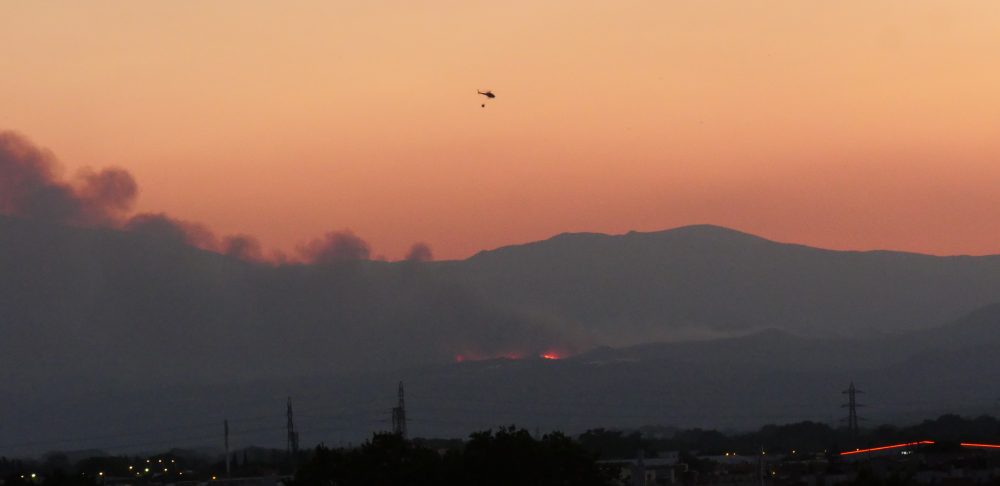
The planet is getting hotter. And the consequences are becoming harder to ignore. This summer, heatwaves, drought and wildfires have once again swept across the word. Western Europe has experienced its hottest June and July on record, while fires have forced communities from their homes and destroyed hundreds of thousands of hectares of land. These...
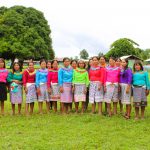
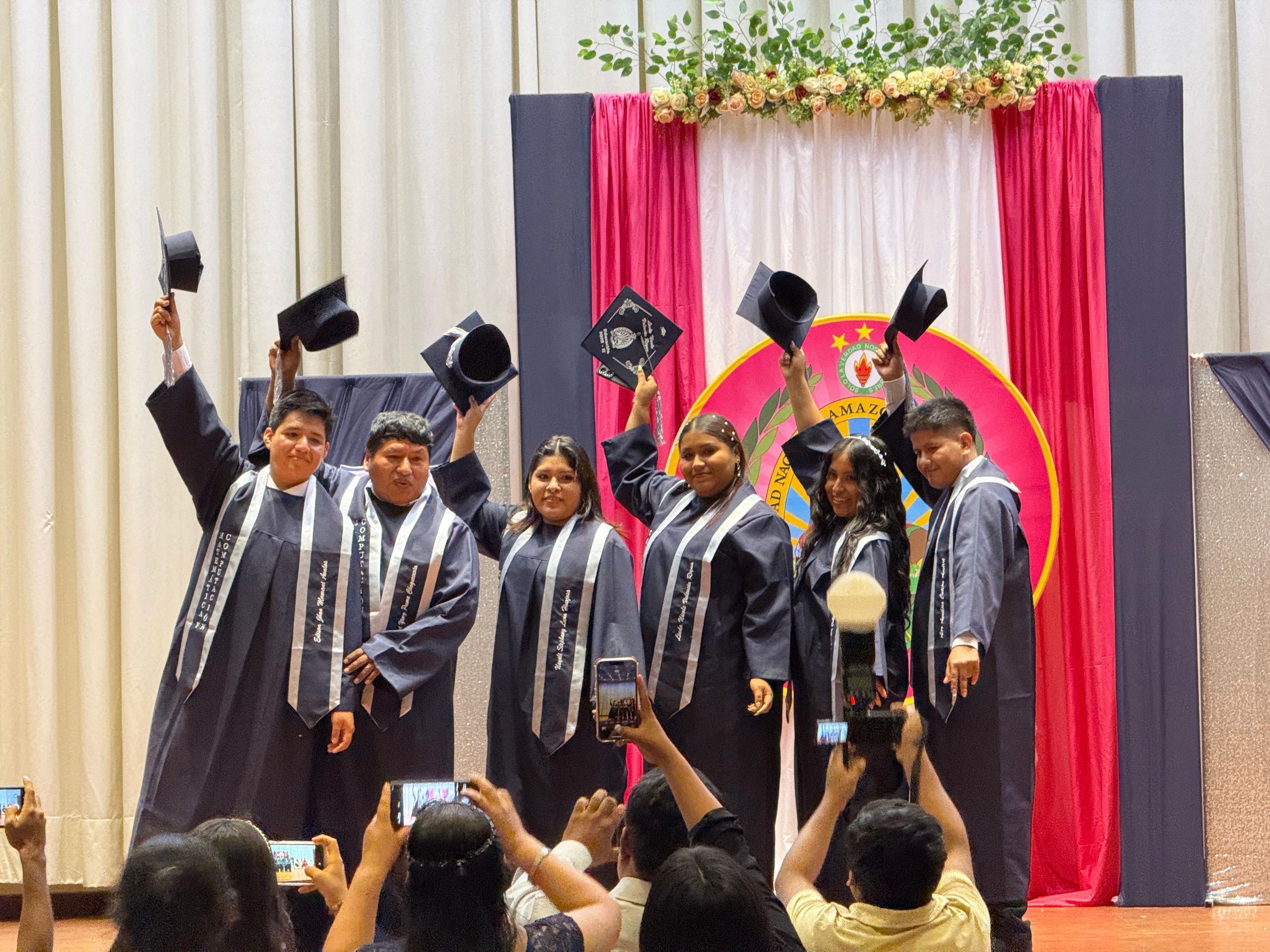
Creating Opportunities for the Next Generation At Bosques Amazónicos (BAM), we believe that conserving forests also means investing in the people who protect them. Through the REDD Castañeros Project, we support a scholarship program that provides educational opportunities for the children and grandchildren of the Brazil nut concessionaire families participating in the project. This year,...
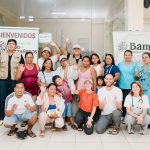
On January 20, 2025, BAM held a participatory workshop with regional authorities and civil society representatives from Ucayali, where it presented the details of its large-scale reforestation and restoration project with native species. The purpose of the dialogue was to communicate the scope of the project and to open up the exchange of experiences and...
BAM’s business is closely related to the development of the international environmental and timber sector, as well as to the establishment of governmental and inter-institutional policies aimed at fighting the global climate crisis. In this sense, we detail the analysis of the external dynamics that have been impacting the course of BAM’s business. Climate change...
Since mid-2023, Bosques Amazónicos (BAM) and Nuevo Belén, a local community adjacent to our REDD+ The Last Habitat conservation project in Campo Verde, Ucayali, have been developing an initiative that seeks to improve the income of cassava and fariña producers. Together with the community, we started a project for the development of productive cassava plots,...
The problem: deforestation and degradation of high-value native species Peru has an amazing diversity of native forest species of great value, which have evolved over the centuries in its different ecosystems. Unfortunately, this biological wealth is being threatened in our country due to the increasing deforestation and degradation of our forests. On the one hand,...
The Private Conservation Area Campo Verde is located on private lands owned by the company Bosques Amazónicos (BAM) near the city of Pucallpa, the heart of the Peruvian Amazon. This natural reserve serves as a crucial refuge for conserving biodiversity in one of the regions most affected by deforestation and land-use change. Recognized and supported...
A clonal nursery is a place where plants are grown and reproduced asexually, using specific parts of a parent plant to generate new, genetically identical plants, known as clones. The main function of a clonal nursery in the agricultural and forestry industry is to produce plants with specific genetic characteristics and qualities in a consistent...
Context In general, forest plantations of native species developed in Peru do not have a controlled origin, that is, the provenance of the seeds used for their establishment is unknown. This results in individuals (trees) with a great variability of characteristics (height, diameter, number of branches, straightness, etc.) that, in many cases, are not the...
#Prizes #BAM On December 13th, we were recognized in LOS BÓSCARES PERÚ 2021, winning in the category “Forests and Climate Change”, for the implementation of our REDD+ Brazil nut concessions conservation project in Madre de Dios and Campo Verde reforestation project in Ucayali. LOS BÓSCARES is an initiative created in Mexico (2018) whose purpose is to promote...
Síguenos
Newsletter
Llene su correo electrónico a continuación para suscribirse al boletín